

Opening a jar should not require a pep talk. Yet tennis elbow can make everyday gripping and lifting surprisingly uncomfortable, even after you have given your arm a break. We look beyond the sore spot to understand why those movements keep bringing the pain back.
Emvital can offer non-drug relief from muscle and joint discomfort, while ultrasound-guided PRP may be considered for selected persistent tendon problems. We assess how these options fit your diagnosis and rehabilitation needs.
Keep reading to see what a more complete plan can involve.
Build a Better Elbow Plan
Tennis elbow not getting better after rest deserves a closer look at both the diagnosis and the demands on your arm. We consider the following factors when deciding whether Emvital, ultrasound-guided PRP, or another approach makes sense.
1. Find the Source First
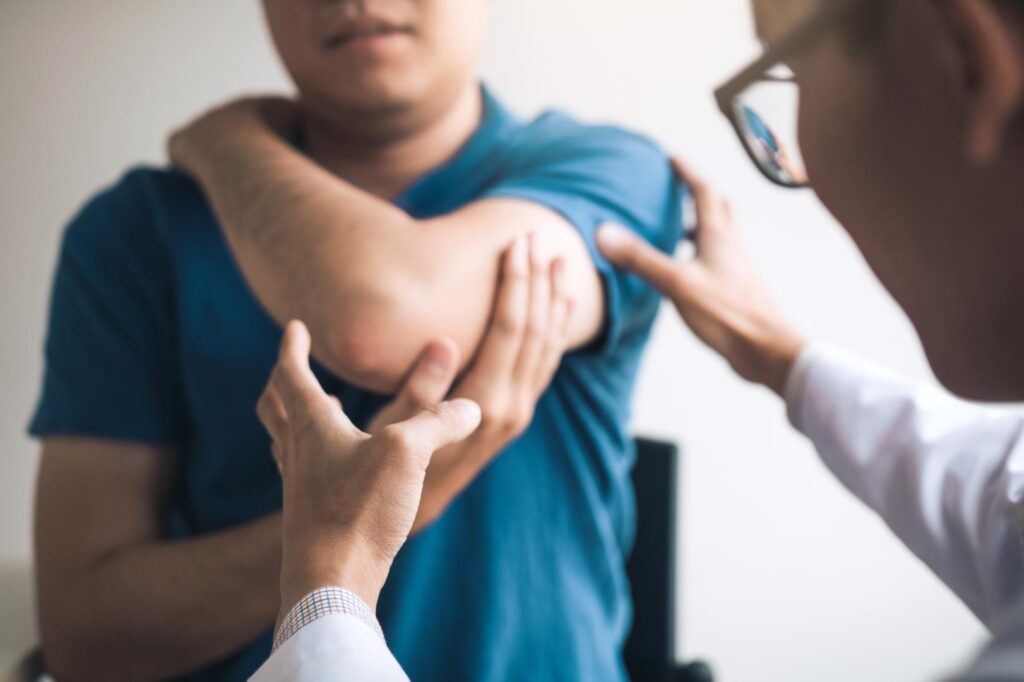
We start by identifying exactly where the pain occurs and which movements reproduce it. Tennis elbow usually affects the tendon attachment on the outside of the elbow. These tendons connect muscles that help extend and stabilize your wrist.
The golfer’s elbow vs. tennis elbow distinction begins with location. Golfer’s elbow typically causes pain around the inside of the elbow, involving a different group of tendons. Neither condition requires playing its namesake sport, so we ask about work, hobbies, and everyday activities.
Elbow pain from gripping can also occur with other problems. We examine your strength, movement, and tenderness, and ask about numbness or neck symptoms. Imaging may help when the diagnosis is unclear, but not every patient needs a scan before we can recommend care.
2. Give Rest a Next Step
We understand why you might ask, “Why won’t my tennis elbow heal?” after taking time off. Rest can reduce irritating demands and calm symptoms. However, less pain during a quiet week does not necessarily mean your arm can tolerate its previous workload.
Returning straight to heavy lifting, repeated tool use, or a long practice can bring symptoms back. Persistent tendon pain can involve changes in tissue structure and load tolerance, with more going on than inflammation alone. We review both your symptoms and the activities that keep provoking them.
A brace may help certain tasks feel more comfortable, but its benefit varies. We check whether it is useful for you and how it fits the larger plan. The next step often involves adjusting activity and rebuilding capacity rather than simply extending complete rest.
Your daily routine can hide a surprising amount of elbow work. Carrying a laptop bag, wringing out a cloth, and using a screwdriver can all involve repeated gripping. We review the full day, including chores that may not feel like exercise. Practical adjustments can include lighter tools, shorter work blocks, or reviewing sports technique.
3. Consider Emvital for Comfort
We may consider Emvital when a noninvasive option for symptom relief fits your needs. This treatment uses laser energy to deliver controlled tissue heating. Its intended effects include temporary relief of muscle and joint pain or stiffness, along with temporary improvement in local circulation.
Emvital uses a 1064-nanometer laser with technology that monitors treatment delivery. We explain how the treatment feels, assess suitability, and monitor comfort during the session. Patients may notice localized warmth, and the treatment does not require an injection.
For persistent elbow symptoms, we discuss Emvital as a possible comfort measure within a broader plan. Temporary relief does not establish that a tendon has repaired itself. We still address the loads, movement patterns, and strength demands associated with your pain.
4. Make Each Visit Useful
We recommend the number and spacing of Emvital visits after assessing your symptoms and goals. The treatment plan can change according to your response. Before starting, we explain the expected appointment length and how we will decide whether continuing makes sense.
A useful goal might be less discomfort during a work task or greater ease with a prescribed exercise. We ask about changes between visits, including how long any relief lasts. That gives us more information than whether your elbow feels different immediately after a session.
We also discuss activity afterward. Feeling more comfortable is welcome, but it should not become a reason to double your lifting or swing count overnight. Your return to heavier demands still follows the rehabilitation plan we have discussed.
5. Understand What PRP Offers
We may discuss platelet-rich plasma, or PRP, for selected patients with persistent tendon symptoms. The process begins with a blood draw. A centrifuge separates the sample so a portion containing a higher concentration of platelets can be prepared for injection.
Platelets release signaling substances involved in the body’s repair processes. That biological role is the reason PRP has been studied for tendon problems. It does not mean an injection will reliably regenerate a tendon or resolve pain for every patient.
Research on PRP for tennis elbow has produced mixed results. Some studies report improvement, while placebo-controlled trials have not consistently shown an added benefit. We discuss that uncertainty alongside your previous care, goals, and preferences before deciding whether an injection is worth considering.
6. See Where Ultrasound Helps
We use ultrasound guidance to view relevant tissues while directing an injection toward the intended area. A handheld probe creates images using sound waves. This lets us follow the needle’s position in relation to the tendon and nearby structures.
Ultrasound can also help us examine the tendon when imaging is appropriate. We interpret what we see alongside your symptoms and physical examination. A visible tendon change does not automatically explain every symptom or make you a candidate for PRP.
Guidance helps us see where treatment is being placed. It does not guarantee better pain relief or faster recovery, and studies have not established that ultrasound-guided PRP consistently outperforms injections guided by examination alone. We keep the value of visualization separate from promises about healing.
During a guided procedure, we position your arm, clean the skin, and use ultrasound to identify the intended target. We discuss comfort measures and aftercare before the injection. You should leave knowing which activities to limit and how to contact us with questions.
7. Match Treatment to Your Situation
We look at the full history before recommending another treatment for chronic elbow tendon pain. How long have symptoms been present? Which activities are limited, and what happened with rest, bracing, therapy, or previous injections? Your answers help us identify what has already been tried.
PRP may enter the discussion when symptoms remain limiting despite an appropriate course of nonsurgical care. We review your medical history, medications, and relevant blood or platelet conditions. You should understand the potential benefits, uncertainty, cost, and expected recovery before deciding.
A preference for avoiding medication may make Emvital worth discussing, but preference alone does not establish suitability. We can recommend continued rehabilitation, a different evaluation, or another option when that fits better. Needing reassessment does not mean you have failed your earlier treatment.
Your schedule also matters. We discuss time for rehabilitation, work adjustments, and follow-up before recommending a procedure. If you cannot reduce a demanding activity right away, we can talk through a more realistic sequence instead of handing you a plan that does not fit.
8. Keep Strengthening in the Plan
We build treatment around improving what your arm can tolerate over time. A rehabilitation plan may include carefully selected wrist and forearm exercises, followed by gradual increases in resistance or repetitions. We tailor progression to your symptoms and the tasks you need to resume.
This is particularly relevant when treating tennis elbow without surgery. A comfortable elbow at rest still needs enough strength and endurance for repeated gripping. We may coordinate with a physical or occupational therapist to work on those demands.
Your plan should explain what level of discomfort is acceptable and what calls for an adjustment. We do not expect you to guess between doing too much and avoiding movement altogether. Emvital or PRP, when selected, sits alongside that process rather than replacing it.
9. Allow a Realistic Timeline
We answer “How long does tennis elbow last?” with the understanding that recovery varies. Many patients improve over several months, while some experience symptoms for a year or longer. A longer history does not automatically mean your elbow cannot improve.
Emvital is intended for temporary symptom relief, so we assess how that benefit fits your daily function. PRP is not an instant pain-relieving treatment, and any improvement may develop gradually over weeks or months. We avoid promising a specific return date based on either option.
After PRP, temporary soreness or swelling may occur. We provide instructions for activity, symptom management, and when strengthening should resume. Discuss medications with us before changing them, especially prescribed treatments. Follow-up helps us decide whether to continue, adjust, or reconsider the plan.
10. Track Your Everyday Wins
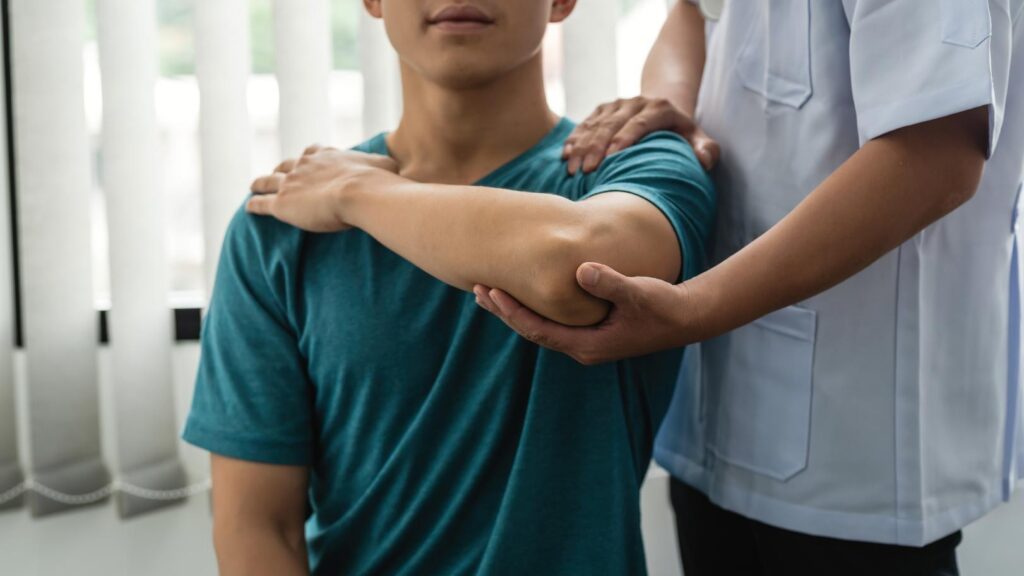
We measure progress using tasks that matter to you. Carrying groceries, turning a handle, or completing a shorter practice with less discomfort can provide useful information. Grip strength and how your arm feels afterward also help us judge your response.
Before your appointment, note which movements trigger pain, how long it lingers, and what has helped. Bring details of previous therapy or injections if available. We can use that history to set a starting point and choose meaningful goals.
You do not need to wait until you cannot use your arm to seek an assessment. Recurrent pain that limits work, sleep, or exercise deserves attention. Sudden pain after an injury, substantial swelling, or new weakness calls for a more prompt evaluation.
Let’s Make Gripping Easier
At Quail Ridge Sports Medicine, we help you explore a physician-guided plan for tennis elbow that considers your symptoms, daily demands, and treatment history. Our approach to sports medicine in Thomasville, GA, includes discussing where Emvital or PRP may fit and what each option can realistically offer.
Schedule an assessment with us to talk through your next step. We can help you move beyond repeating the same rest-and-brace routine and build a plan toward more comfortable activity.