
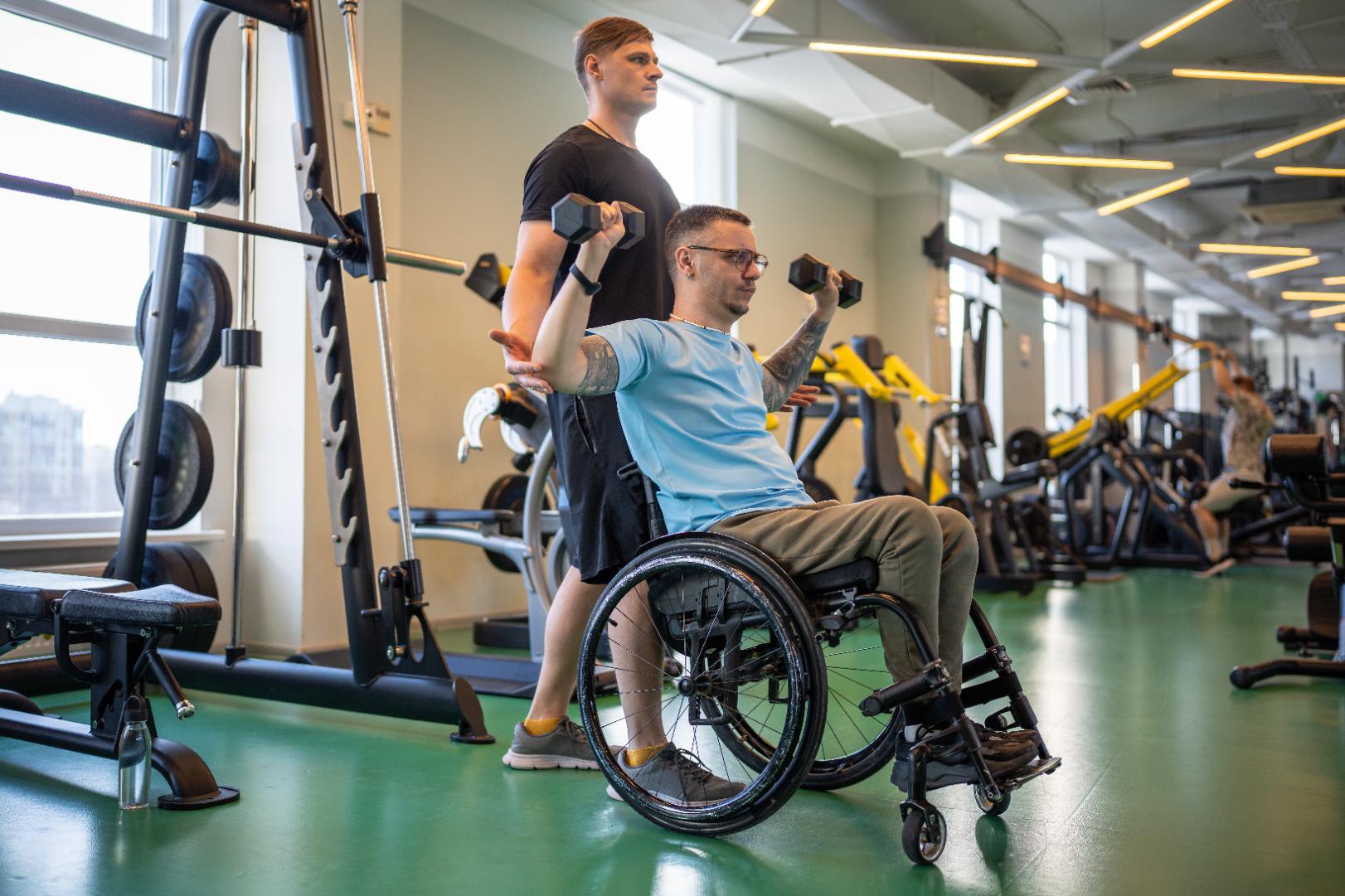
A familiar movement can feel surprisingly unfamiliar after weeks in a brace or sling. Your leg may look smaller, or lifting your arm may take more effort. Reduced use can lead to disuse atrophy, which means a loss of muscle tissue.
During post-op recovery, we look at both strength and the ability to use it. Emsculpt NEO may support muscle activation for suitable patients alongside physical therapy.
Read on as we explain how muscle rebuilding works, where stimulation may fit, and why your recovery stage matters.
Your Strength, Step by Step
When we discuss how to rebuild muscle after surgery, we start with the procedure, the muscles affected, and your rehabilitation goals. The following steps explain how we approach recovery and evaluate whether Emsculpt NEO has a useful supporting role.
1. Understand Why Muscle Shrinks
Muscles respond to the demands placed on them. We use them throughout the day to stand, walk, carry, and stabilize our joints. When normal activity drops, those demands change.
Immobilization and reduced loading can lower the rate at which the body builds muscle proteins. Over time, muscle fibers become smaller. Muscle loss after surgery can begin during relatively short periods of limited use, especially when a limb cannot work normally.
That loss can make ordinary tasks more tiring and slow the return to activity. A smaller thigh may struggle with stairs, while an underused arm may tire during household tasks. We assess these changes rather than assuming weakness will disappear as soon as pain improves. Rebuilding involves an appropriate muscle stimulus, time, and a plan that respects healing.
Even when you can finish a task, you may be leaning more on the other leg or changing how you reach. We look for these workarounds during your assessment. They help us understand whether an activity feels easier because the recovering muscles are stronger or because other areas are doing more of the work.
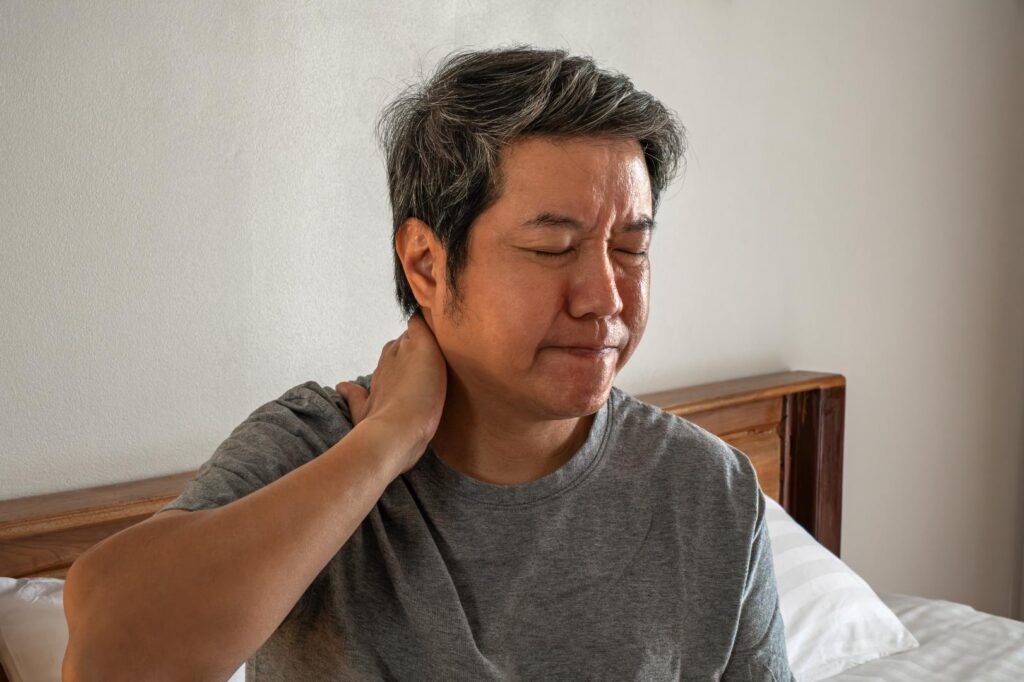
2. Check Your Recovery Stage
The right starting point depends on what your tissues can tolerate. We review your surgery or injury, current symptoms, incision healing, and the restrictions provided by your surgeon and physical therapist.
We also assess muscle strength, joint motion, swelling, and the activities that remain difficult. This helps us distinguish muscle loss from weakness related to pain, stiffness, or difficulty activating the muscle. More than one factor may be involved.
Before considering Emsculpt NEO, we review surgical hardware and implanted devices against the specific treatment instructions. ACL reconstruction can involve fixation hardware, and some metal or electronic implants can rule out treatment.
Permission to exercise does not automatically establish device eligibility. When stimulation is unsuitable, we can discuss other rehabilitation approaches with your care team.
3. See Where Emsculpt NEO Fits
Emsculpt NEO uses high-intensity focused electromagnetic energy to produce muscle contractions. Its platform also includes radiofrequency energy, which produces warming. Before recommending rehabilitation treatment, we confirm that the available device configuration and treatment protocol support the proposed use.
The FDA-cleared rehabilitation configuration is intended for medically supervised, adjunctive stimulation of arm and leg muscles. Its indications include slowing or preventing disuse atrophy, muscle re-education, and maintaining or increasing range of motion. These describe a supporting rehabilitation role.
When discussing electromagnetic muscle stimulation for rehab, we focus on whether those goals match your situation. Early musculoskeletal research is encouraging, but evidence specifically for Emsculpt NEO after ACL surgery or for frozen shoulder remains limited.
We discuss that distinction openly. The aim is to choose a useful addition to care, with realistic expectations about what it may contribute.
4. Practice Muscle Control
Regaining strength also involves learning to produce and control an effective contraction. We use muscle re-education to help patients practice activating the right muscles during appropriate movements.
After a joint injury or surgery, muscle activation can be reduced even when you are trying hard. Pain, swelling, and changes in the nervous system’s response to the joint can make the muscle feel difficult to engage.
For eligible patients, stimulation can generate contractions as one part of this process. Physical therapy then provides opportunities to practice voluntary control and use the muscle during movement. We look for improvements that carry into tasks such as standing, stepping, or reaching. The useful question is how well you can use the muscle as your activity increases.
5. Give Your Quads Attention
The quadriceps at the front of the thigh often need focused attention after ACL reconstruction. We evaluate quad weakness after ACL surgery because it can affect walking, stairs, knee control, and later athletic activities.
Both reduced muscle size and difficulty activating the quadriceps may contribute. Rehabilitation commonly addresses swelling, motion, muscle activation, and progressive strengthening. Your surgical instructions remain central, particularly if you also had another procedure, such as a meniscus repair.
Conventional neuromuscular electrical stimulation, or NMES, has an established role in some ACL rehabilitation plans. It delivers stimulation through skin electrodes. Emsculpt NEO uses electromagnetic stimulation, so findings from NMES studies cannot automatically be applied to it.
We consider the evidence and eligibility for each option. Any added treatment should support the prescribed rehabilitation process without changing the protection your healing knee needs.
6. Respect a Frozen Shoulder
Frozen shoulder needs its own assessment because stiffness is a central part of the condition. We look at the joint’s restricted motion alongside any weakness that developed while you used the arm less.
Also called adhesive capsulitis, frozen shoulder involves a thickened, tightened joint capsule. It can occur after surgery or injury, but it can also develop without either. Treating muscle weakness alone does not address that restriction.
Our discussion centers on pain management, appropriate movement, and physical therapy to restore motion and function. Strengthening is introduced as your condition allows. Emsculpt NEO has not been established as a treatment that releases the tightened shoulder capsule.
If we discuss stimulation for associated arm weakness, we first check whether the muscles, treatment location, and device requirements make it appropriate.
7. Connect Treatment With Therapy
A stronger contraction becomes more useful when it translates into everyday movement. We coordinate any recommended stimulation with the exercises and milestones in your physical therapy plan.
Depending on your condition, therapy may progress from basic activation and controlled motion to resistance exercises, balance work, and functional tasks. A knee rehabilitation plan may eventually include step control. An arm rehabilitation plan may work toward reaching and carrying within an appropriate range.
We discuss how treatment appointments fit around therapy and home exercises. Your therapist can track whether you are gaining strength, control, or tolerance for activity. If added treatment leaves you too uncomfortable to participate in your prescribed rehabilitation, that is useful feedback. We reassess the plan so its different parts work together toward the same goal.
Ask for written guidance on exercise frequency, the level of effort expected, and which responses should prompt a call. A plan is easier to follow when you understand how to perform it and how to recognize a need for adjustment.
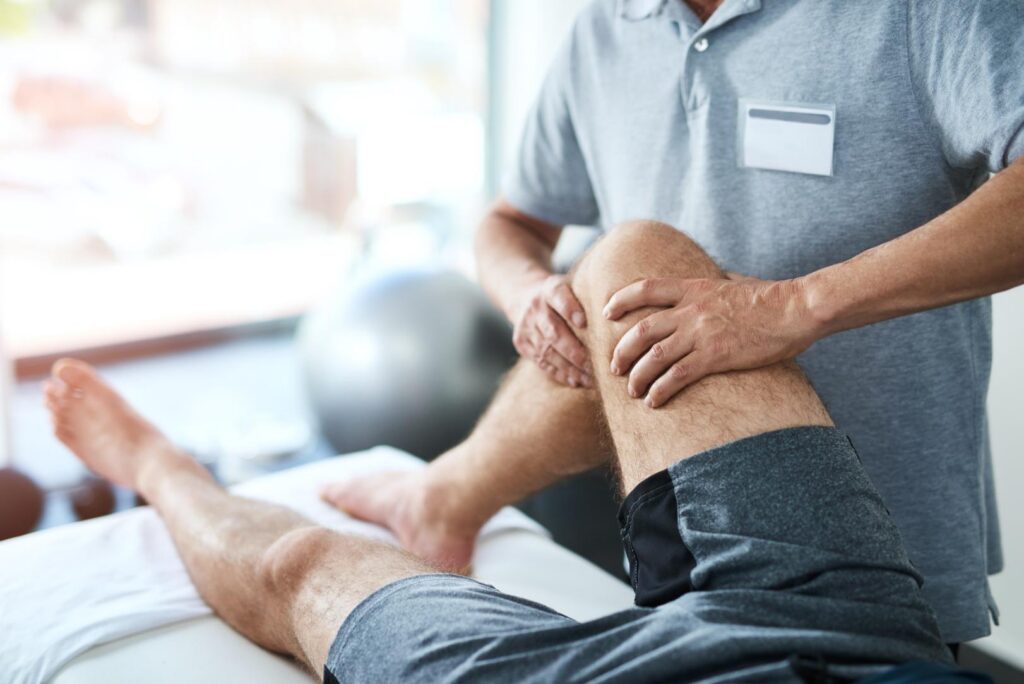
8. Know What Visits Involve
Knowing what an appointment involves can make the process feel more manageable. If Emsculpt NEO is appropriate, we explain applicator placement, treatment intensity, comfort monitoring, and the proposed schedule before beginning.
Sessions commonly last around 30 minutes, although the treatment plan determines the details. You may feel repeated contractions and warmth. We monitor your response and want you to tell us about discomfort during the visit.
A postoperative plan needs its own timing and reassessment. The number and spacing of sessions depend on clinical suitability, the prescribed protocol, and your progress. After a visit, continue following your rehabilitation restrictions. Feeling stronger does not change the time your repaired tissues need to heal.
9. Support Recovery Between Visits
Muscle rebuilding continues between appointments, so we discuss the basics that support your rehabilitation. Consistent participation in your prescribed exercises is one part of that picture.
Balanced meals with adequate protein help meet your recovery needs. If poor appetite, unintended weight loss, or difficulty preparing food is getting in the way, tell your care team. We can help you identify whether additional nutrition support would be useful. Protein supplements are not automatically necessary for everyone.
Sleep also supports physical health and daily functioning. Let us know if discomfort repeatedly interrupts your rest or leaves you too tired for therapy. We encourage a manageable routine and communication about problems that make follow-through difficult.
Recovery should account for your actual day, including work, transportation, and help available at home.
Rebuild With a Clear Plan
Your next step can begin with the movement that still feels difficult. For post-op recovery in Cairo, GA, we can review your progress at Quail Ridge Sports Medicine and discuss whether Emsculpt NEO fits alongside your existing rehabilitation.
Book an assessment with our team and bring your surgical instructions or therapy plan. We will help you understand your options and work toward strength you can use in daily life.